Ireland's Fitness Resource for the Over 50s
Unlimited Fitness Ireland

Fitness & Strength Training
for Irish Adults Over 50

Age Is Not A Factor

Ireland's fitness resource for the over 50s. Strength training, belly fat guides, martial arts and real nutrition advice — because your best training years might still be ahead of you.

About Unlimited Fitness Ireland

Fitness After 50 — What Actually Works

This isn't a gentle stroll into your later years. Unlimited Fitness Ireland is a practical resource for Irish men and women over 50 who want to build real strength, lose stubborn belly fat, move better and feel genuinely well — not just cope.

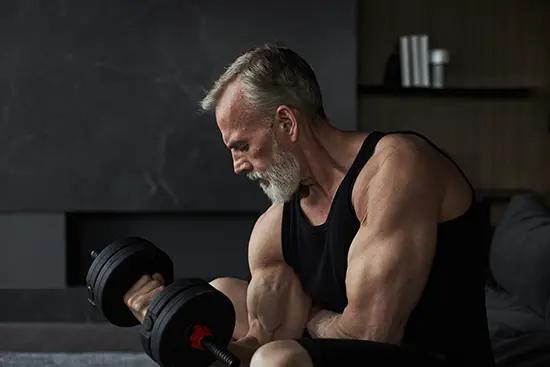
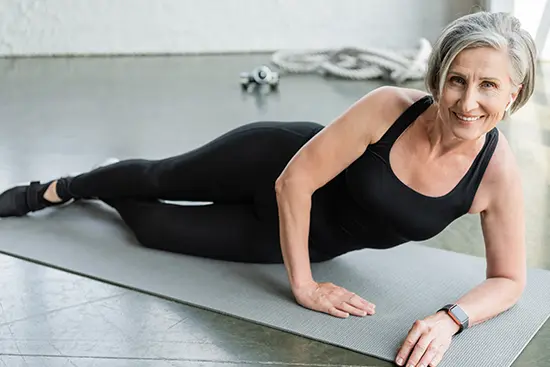
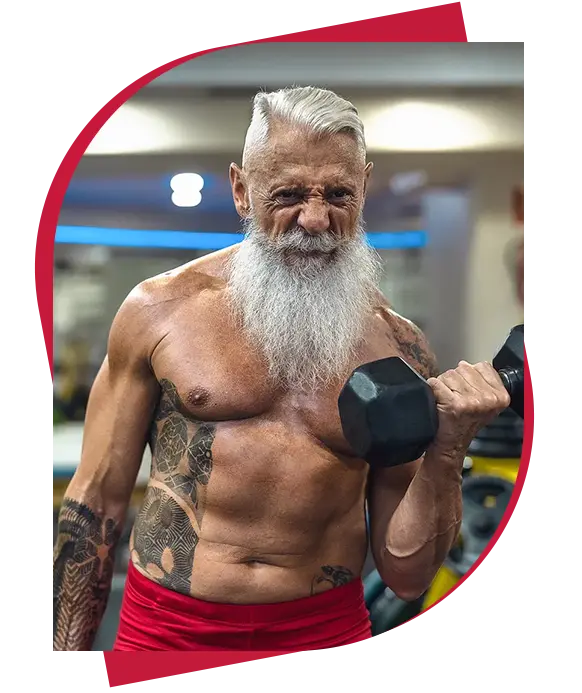
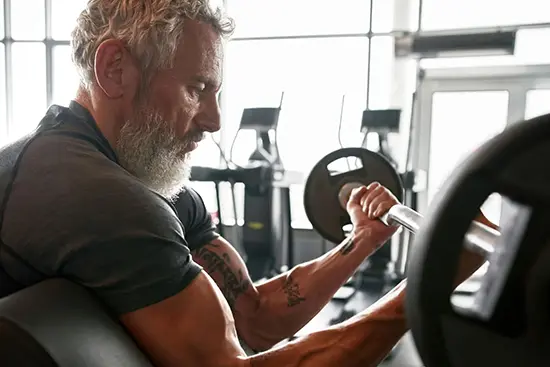
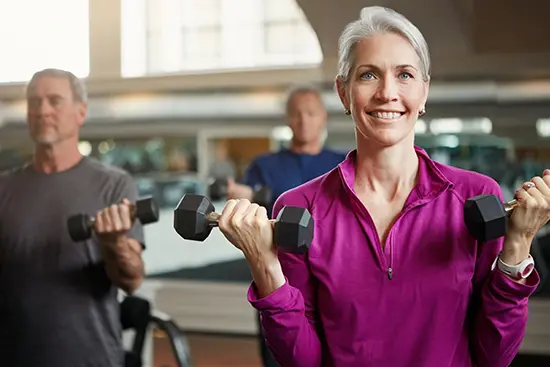
Active adult over 50 strength training in a gym

Why This Site Exists

The fitness industry is obsessed with youth. The programmes, the Instagram content, the gym advertising — most of it is aimed at people in their 20s and 30s. But the truth is that the people who need good fitness information most are the ones in their 50s, 60s and beyond. Because the consequences of getting it wrong — and the rewards of getting it right — are far greater.

After 50, your body is dealing with declining muscle mass, changing hormones, slower recovery and a metabolism that no longer forgives a bad week. These aren't excuses. They're physiological realities that demand a smarter approach to training and nutrition. Generic advice doesn't cut it. You need information built around how your body actually works at this stage of life.

That's what Unlimited Fitness Ireland is for. Every guide on this site is written with the over 50s in mind — not adapted from a 30-year-old's programme, but built from the ground up for the specific challenges and opportunities that come with training in your 50s, 60s and 70s.

  • Strength and weight training — the most important thing you can do for your long-term health, and we cover it in full: beginner guides, progressive programmes, gym and home options
  • Belly fat and fat loss — visceral fat is a health issue, not just an aesthetic one, and we explain exactly what drives it after 50 and what actually shifts it
  • Martial arts and self-defence — kickboxing, self-defence for women, and why combat training is one of the best fitness choices you can make in later life
  • Nutrition and recovery — protein needs, anti-inflammatory eating, sleep and the recovery practices that separate people who keep training from those who break down
  • Motivation and mindset — the psychological side of getting fit later in life, building consistent habits and staying the course when progress feels slow
The Research Behind It

Built on Real Science

The fitness content here isn't based on trends, YouTube bro-science or recycled listicles. It's grounded in the research on how the over-50 body actually responds to exercise and nutrition.

40%

Adults can lose up to 40% of their muscle mass between age 30 and 80 without structured resistance training — a process called sarcopenia that starts earlier than most people think.

2× faster

Visceral fat — the dangerous deep belly fat that surrounds your organs — accumulates roughly twice as fast after 50 due to hormonal changes, making targeted training and nutrition essential.

Any age

Research consistently shows that muscle can be built at any age. Studies have recorded significant strength and hypertrophy gains in adults in their 60s, 70s and 80s with progressive resistance training.

1.6g/kg

Optimal protein intake for adults over 50 who train is significantly higher than standard dietary guidelines suggest — closer to 1.6–2.0g per kilogram of bodyweight to counteract anabolic resistance.

From The Blog

More Guides to Train Smarter After 50

Practical guides, honest advice and real motivation — covering strength, martial arts, nutrition and the mindset it takes to keep going.

Common Questions

Fitness After 50 — Frequently Asked

The questions we hear most from Irish adults getting back into — or starting — training after 50.

Can you really build muscle after 50?

Yes — and the research is very clear on this. Studies have repeatedly shown that adults in their 50s, 60s and even 70s can build significant muscle mass and strength through progressive resistance training. The process is slightly slower than in your 20s, and protein needs are higher to overcome what's called anabolic resistance, but the capacity for muscle growth absolutely remains. The bigger risk after 50 is doing nothing.

What are the best exercises to lose belly fat after 50?

The three most effective approaches are compound resistance training (squats, deadlifts, presses), high-intensity interval training (HIIT) for the hormonal response, and consistent moderate-intensity cardio as a foundation. Belly fat after 50 — particularly visceral fat — is strongly linked to hormonal changes and insulin sensitivity, which means strength training outperforms steady-state cardio alone. Diet is also non-negotiable: you cannot train away a caloric surplus or a high-sugar diet after 50.

How many days a week should a 50-year-old work out?

Three to four days per week of structured training is the sweet spot for most adults over 50. This allows enough training stimulus to build strength and improve conditioning while giving your body adequate recovery time — which becomes increasingly important after 50. A typical structure might be three full-body resistance sessions per week, or an upper/lower split across four days with two rest or active recovery days. More is not always better, and recovery is where the adaptation actually happens.

Is strength training safe for women over 50?

Not only is it safe — it's one of the most important things a woman over 50 can do for her long-term health. After menopause, women lose the protective effects of oestrogen on bone density and muscle mass. Progressive resistance training directly counteracts both. It improves bone mineral density, reduces the risk of osteoporosis, protects joints, improves insulin sensitivity and helps manage menopausal weight gain — particularly the hormonal belly fat that many women experience in their 50s.

What is visceral fat and why is it harder to lose after 50?

Visceral fat is the deep abdominal fat that surrounds your internal organs — as distinct from subcutaneous fat, which sits just beneath the skin. It's metabolically active in a harmful way, releasing inflammatory signals that increase your risk of heart disease, type 2 diabetes and other conditions. After 50, falling testosterone in men and falling oestrogen in women both trigger a redistribution of body fat toward the abdomen, making visceral fat accumulation faster. The good news is that visceral fat also responds well to the right combination of resistance training, controlled diet and adequate sleep.