Lactograft
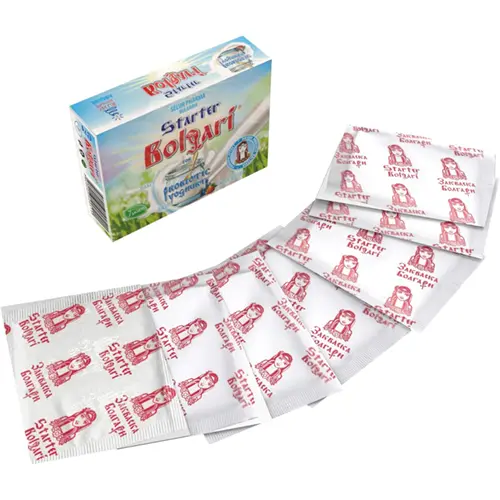
Bolgari Probiotic Yogurt Culture — Pack of 7 Sachets
- ✓ Pack of 7 lyophilised sachets — each makes 1 litre of yogurt
- ✓ Genuine live cultures — Lactobacillus bulgaricus & Streptococcus thermophilus, the strains the research supports
- ✓ Re-growable — one sachet can yield multiple batches before a new one is needed
- ✓ Long shelf life — lyophilised (freeze-dried) so it stores at room temperature until opened
- ✓ Works in any yogurt maker — Clatronic, Cuisinart, or simple thermos method
- ✓ €6.56 for 7 sachets — a fraction of the cost of probiotic supplement capsules
Affiliate link — as an Amazon Associate we earn from qualifying purchases at no extra cost to you. Full disclosure.
Why the Culture Matters More Than the Machine
There is a significant difference between a yogurt labelled “probiotic” in a supermarket and yogurt that is genuinely probiotic in any meaningful sense. Most shop yogurt is pasteurised before sale, a process that kills the vast majority of bacteria. Flavoured yogurts with fruit or sweeteners typically contain little or no live culture by the time they reach the shelf. Even plain yogurts, while better, have been sitting in transport and refrigeration long enough for bacterial counts to decline considerably. The “probiotic” label is a marketing description, not a guarantee of what is actually alive in the pot when you open it.
Lyophilised cultures work differently. Freeze-drying preserves bacteria at very high concentrations in a dormant state indefinitely, without the need for refrigeration. When you dissolve a Lactograft Bolgari sachet in warm milk, the bacteria rehydrate and immediately begin to multiply. Within eight to ten hours in the warm environment of a yogurt maker, they have fermented the milk into fresh yogurt with a live bacterial count that genuinely justifies the word probiotic. The two strains in the Bolgari formula — Lactobacillus delbrueckii ssp. bulgaricus and Streptococcus thermophilus — are the same strains found in traditional Bulgarian yogurt and are the most extensively researched yogurt cultures in existence.
At €6.56 for seven sachets, this is also one of the cheapest probiotic interventions available. A single month’s supply of probiotic capsules from a health shop typically costs €20 to €40, and the bacterial counts stated on the label are measured at manufacture, not at the point of consumption. With the Lactograft Bolgari, you are consuming bacteria that were alive and multiplying within the last 24 hours. Re-culturing from one sachet across five to seven batches stretches the cost even further — effectively a few cent per litre of genuinely probiotic yogurt.
How to Use the Lactograft Bolgari Culture
The basic method. Heat one litre of whole milk in a saucepan to approximately 40°C — warm but not hot, comfortably bearable on the inside of your wrist. Remove from the heat, sprinkle in one sachet of the Lactograft Bolgari culture, and stir until it has fully dissolved. Pour the mixture into your yogurt maker’s jar, close the lid, switch the machine on, and leave it for 8 to 10 hours. When the batch is done, transfer the jar to the fridge. Allow at least two hours to chill fully before eating.
Re-culturing from your own batch. Once your first batch is complete, set aside two to three tablespoons of the finished yogurt in a clean container and refrigerate it separately. Use this reserved yogurt as the starter for your next batch in place of a new sachet — stir it into warm milk and proceed exactly as above. This re-culturing process works reliably for approximately five to seven batches before the bacterial population begins to weaken. When yogurt starts coming out noticeably runnier or more sour than usual, the culture has exhausted itself — start fresh with a new sachet.
Storing unused sachets. Unused sachets can be stored at room temperature in a cool, dry place — a kitchen cupboard away from the cooker is ideal. Avoid leaving them in direct sunlight or near heat sources. Once a sachet is opened, any unused powder should be sealed tightly and used within one to two days, or the remaining culture can be stirred into a batch and fermented immediately. Refrigerating opened sachets briefly is acceptable but not necessary for sealed ones.
What to expect from the first batch. The first batch from a new sachet may be slightly thinner than subsequent ones. This is normal — the culture is establishing itself and the bacterial population needs one full fermentation cycle to reach its peak. From the second or third batch, texture typically firms up and becomes more consistent. If your first result is runnier than you expected, do not add more powder or extend the time significantly — simply re-culture from it and the next batch will improve.
Troubleshooting consistency. If your yogurt is coming out too runny, the most likely causes are milk that was too cool when the culture was added (below 38°C), a cold kitchen reducing the machine’s effectiveness, or too short an incubation time. Try increasing the time by one hour and ensuring the machine is not sitting in a draught. If the yogurt is coming out very tart or has an overly sharp flavour, it has been over-incubated — reduce the time by one to two hours on your next batch. Whole milk always gives a thicker result than semi-skimmed, and UHT milk is the most consistent of all.
Honest Assessment
✓ What’s Good
- Genuine live cultures at high concentrations — measurably more probiotic than shop yogurt
- Lyophilised format means a long shelf life without refrigeration
- Re-growable — one sachet effectively yields multiple litres of yogurt before a new one is needed
- Works with any yogurt maker or the thermos method
- Two-strain formula matches the classic Bulgarian yogurt tradition and decades of research
- Considerably cheaper than probiotic supplement capsules on a per-dose basis
⚠️ Worth Knowing
- Requires a yogurt maker or patience with the thermos method — not a standalone product
- Re-culturing requires planning — you cannot improvise a batch without a starter on hand
- The culture weakens after five to seven re-cultures, so new sachets are needed periodically
- Consistency varies slightly depending on the milk used — whole milk gives the most reliable results
Product Specifications
- BrandLactograft
- VarietyBolgari
- Contents7 sachets
- Yield1 litre per sachet
- CulturesLactobacillus delbrueckii ssp. bulgaricus + Streptococcus thermophilus
- FormLyophilised (freeze-dried) powder
- StorageRoom temperature (sealed); refrigerate after opening
- Re-cultureableYes — up to 5–7 times per sachet
- Price€6.56 (7 sachets)
- Rating4.5 / 5 — 500+ reviews
Frequently Asked Questions
These are the two bacterial strains that define traditional Bulgarian yogurt and that the scientific literature consistently associates with yogurt’s gut health benefits. Lactobacillus delbrueckii ssp. bulgaricus and Streptococcus thermophilus work together to ferment lactose into lactic acid, which sets the milk into yogurt and creates its characteristic tangy flavour. Research links these strains to improved lactose tolerance, enhanced gut microbiome diversity, and reduced digestive discomfort — particularly relevant for adults over 50, whose gut microbiome tends to become less diverse with age.
A yogurt maker is the most reliable option, but the thermos method works well. Warm your milk to 40°C, stir in the culture, pour the mixture into a thermos flask that has been pre-warmed with hot water, seal it, wrap it in a towel, and leave it in a warm spot for 8 to 10 hours. The thermos retains enough heat for the culture to set the milk. Results can be slightly less consistent than a dedicated machine, but for occasional batches or as a trial before buying a machine, it is a perfectly practical approach.
One sachet inoculates one litre of milk directly. From that first batch, you can re-culture by using two to three tablespoons of finished yogurt as the starter for the next litre, and so on for approximately five to seven generations. In practice, a single sachet can yield six to eight litres of yogurt before the culture weakens. When texture becomes noticeably looser or the flavour more unpredictable, open a new sachet and start the process again.
Shop-bought yogurt can work as a starter, but its bacterial count is variable and often lower than a lyophilised culture because of pasteurisation and time in transit. Some commercial yogurts contain additional stabilisers or strains that are not ideal for re-culturing and can produce off-flavours after a generation or two. A lyophilised culture like the Lactograft Bolgari starts with a known, high-concentration population of two specific, well-researched strains. The result is more consistent texture and a more reliably probiotic product across multiple batches.
Lyophilised (freeze-dried) sachets have a long shelf life when kept sealed at room temperature, away from heat and direct sunlight. The best-before date on the packet is the reliable guide — typically one to two years from manufacture. There is no need to refrigerate sealed sachets. Once a sachet is opened, use any remaining powder immediately or seal it tightly and refrigerate briefly until your next batch. Do not leave an opened sachet at room temperature for more than a day or two.
Goes Well With
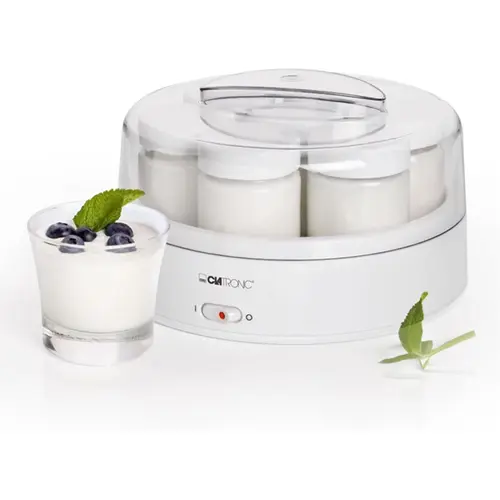
Clatronic JM 3344 Yogurt Maker
The machine that turns this culture into 1+ litres of fresh probiotic yogurt every time — set it before bed, done by morning.
€45.37
Buy on Amazon.ie →Affiliate link
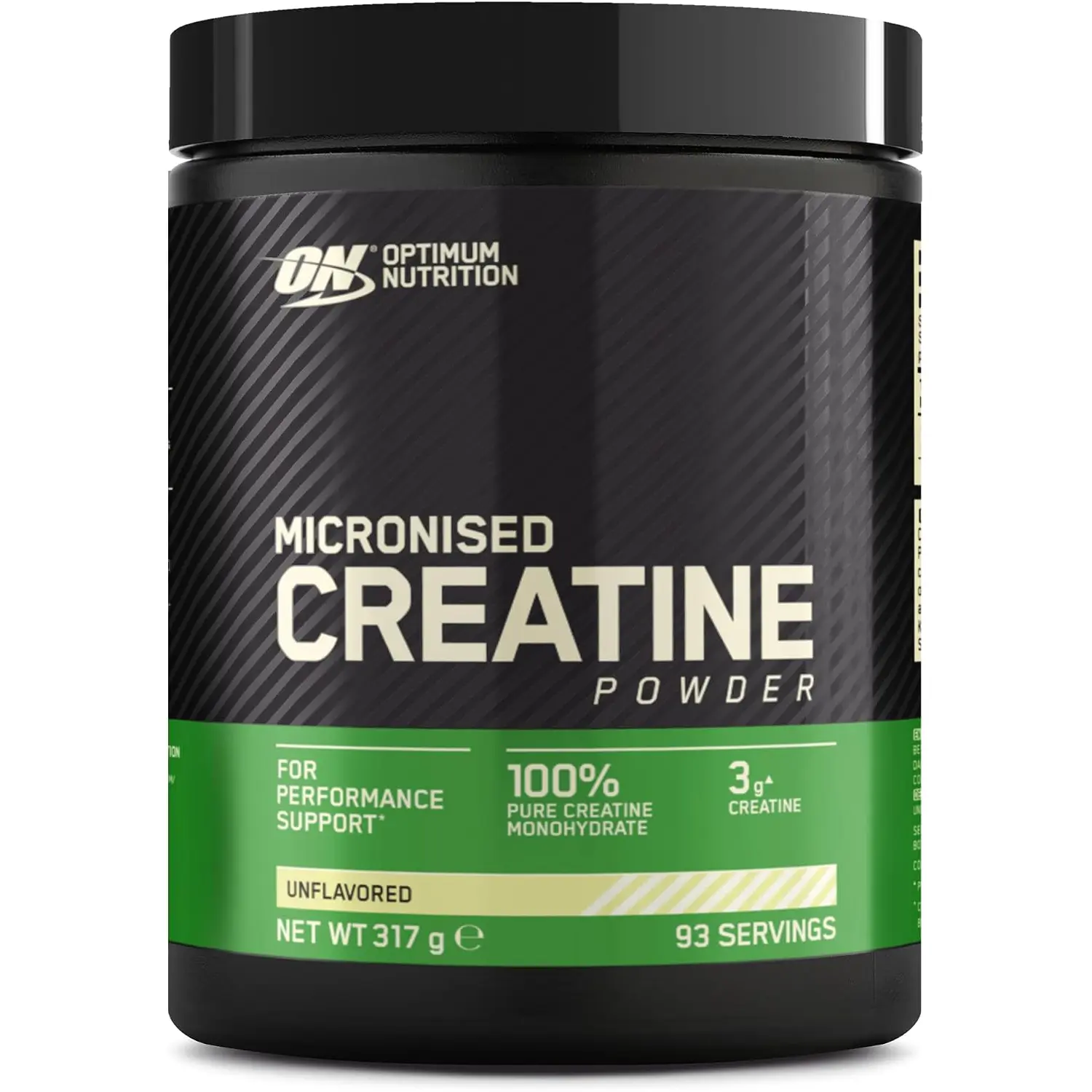
Optimum Nutrition Creatine
Stir your creatine dose into a bowl of your home-made yogurt — the protein and cultures support both muscle and gut health.
€14.99
Buy on Amazon.ie →Affiliate link

ProsourceFit Exercise Mat
Gut health supports recovery, which supports consistent training. The mat is where the training happens.
€16.67
Buy on Amazon.ie →Affiliate link