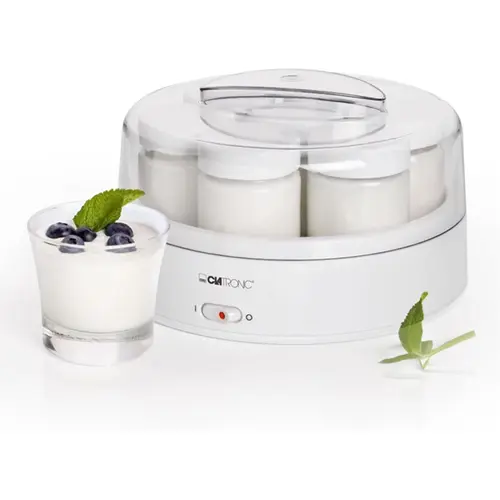
Clatronic
JM 3344 Electric Yogurt Maker
- ✓ Set it before bed — yogurt is ready by morning, completely automatic
- ✓ Higher in live bacteria — than anything you’ll buy in a shop
- ✓ Costs pennies per litre — milk plus culture, nothing else
- ✓ Glass jar included — no plastic leaching into your food
- ✓ 4.5 stars from 2,100+ reviews — proven over many years
- ✓ Quiet and compact — takes up less space than a toaster
Affiliate link — as an Amazon Associate we earn from qualifying purchases at no extra cost to you. Full disclosure.
Why Home-Made Yogurt Is One of the Highest-Leverage Nutrition Habits After 50
The yogurt in most supermarket fridges is a poor substitute for the real thing. Flavoured varieties are loaded with added sugar, and by the time plain yogurt has been pasteurised, bottled, transported, and shelved, the live bacterial count is a fraction of what it was when it left the dairy. So-called probiotic yogurts from health shops fare better, but you’re paying a premium for what is still a processed product sitting in a plastic pot. If gut health, protein intake, and the cost of good food matter to you — and after 50, all three tend to matter more — making yogurt at home is one of the simplest switches you can make.
The Clatronic JM 3344 is, at its core, a thermostat with a lid. You warm your milk to around 40°C, stir in a culture sachet or a spoonful of live yogurt, pour the mixture into the glass jar, place the lid on top, and switch the machine on. The Clatronic holds the temperature steady for as long as you need it to. You don’t manage anything. You don’t check it. Eight to ten hours later, you open the lid and there is a full jar of thick, tangy, live-culture yogurt ready to eat. The glass jar goes straight into the fridge.
The cost argument is straightforward. A litre of whole milk costs roughly €1. The Clatronic makes between one and one-and-a-half litres per batch. A jar of premium probiotic yogurt from a health shop can cost €4 to €7 for 500g. The machine pays for itself within weeks if you use it consistently, and the quality of what you produce — in terms of live bacterial count and freshness — is higher than anything commercially available at any price point. At €45.37, it is, without qualification, one of the most cost-effective nutrition investments on this page.
How to Make Yogurt With the Clatronic JM 3344
The basic process. Heat a litre of whole milk in a saucepan until it reaches approximately 40°C — warm to the touch but not hot. If you have a thermometer, use it; if not, it should feel comfortably warm on the inside of your wrist. Stir in one culture sachet (or two to three tablespoons of live-culture yogurt from a previous batch), making sure it is fully dissolved. Pour the mixture into the glass jar, place the lid on the jar, then put the jar into the Clatronic and close the machine’s lid. Switch it on and leave it for eight to ten hours. When the time is up, transfer the jar to the fridge for at least two hours before eating.
Choosing the right milk. Whole milk gives the thickest, creamiest result and is the easiest to work with. Semi-skimmed milk produces a slightly thinner yogurt but works perfectly well. UHT (long-life) milk is particularly reliable because it has already been heat-treated to a higher temperature, which removes variables and gives consistent results batch after batch. Avoid plant-based milks unless you have a culture specifically formulated for them, as standard yogurt cultures do not set oat, almond, or soy milk reliably.
Using a previous batch as a starter. Once you have made your first batch, you can use two to three tablespoons of it as the starter for your next batch rather than opening a new culture sachet. This is called re-culturing, and it works reliably for approximately five to seven batches. After that, the bacterial population begins to weaken and you will notice the yogurt becoming looser or more inconsistent. At that point, start a fresh batch from a new sachet.
Setting the timing. The simplest approach is to set the machine before bed. Pour in the mixture at ten or eleven o’clock at night, switch it on, and by the time you wake up eight to ten hours later, the yogurt is done. Transfer the jar to the fridge while you have your breakfast, and it will be chilled and ready to eat by mid-morning. There is no alarm to set, no timer to cancel — the Clatronic simply maintains the temperature indefinitely until you switch it off.
Straining for Greek-style yogurt. If you prefer a thicker, higher-protein yogurt in the Greek style, place a clean muslin cloth or a fine-mesh strainer over a bowl, spoon in your finished yogurt, cover it, and leave it in the fridge for one to two hours. The whey (a clear liquid) will drain through into the bowl, leaving behind a thick, protein-dense yogurt with a texture similar to premium Greek yogurt from a shop. The strained whey can be stirred into smoothies or used in cooking — it is high in protein and should not be wasted.
Honest Assessment
✓ What’s Good
- Fully automatic — no temperature management or checking required
- Glass jar included means no plastic in contact with your food
- Live bacterial count in home-made yogurt far exceeds shop-bought equivalents
- Very cheap to run — a litre of milk costs roughly €1
- Compact footprint — takes up less counter space than a kettle
- Proven reliability with over 2,100 Amazon reviews at 4.5 stars
- Makes one to one-and-a-half litres per batch
- Works with any yogurt culture sachet or live-culture yogurt as a starter
⚠️ Worth Knowing
- €45.37 is the highest single-item investment in this category — the value only realises if you use it regularly
- Only makes one batch at a time — you need to plan ahead if you eat yogurt daily
- Takes 8 to 10 hours — you cannot make a batch in a hurry
- The glass jar will crack if dropped or handled carelessly on a cold surface
- You will also need a quality starter culture — the machine alone does not make great yogurt
Product Specifications
- BrandClatronic
- ModelJM 3344
- Capacity1–1.5 litres
- ContainerGlass jar with lid
- Cycle time8–10 hours
- TemperatureMaintains approx. 40°C automatically
- Power~20W
- Form factorCompact countertop unit
- Price€45.37
- Rating4.5 / 5 — 2,100+ reviews
Frequently Asked Questions
The Clatronic JM 3344 takes 8 to 10 hours to complete a batch. Most people find the simplest routine is to set the machine before going to bed — the yogurt is ready and waiting by morning. Transfer the jar to the fridge when you wake up, and it will be chilled and ready to eat within a couple of hours.
You can use either. Any plain yogurt labelled “live cultures” or “active cultures” from a supermarket will work as a starter — use two to three tablespoons per litre of milk. For consistently higher bacterial counts and more reliable results, a lyophilised culture sachet such as the Lactograft Bolgari is worth the small extra expense, particularly if you intend to re-culture your batches.
You can reliably re-culture from your own yogurt five to seven times before the bacterial population weakens and the texture becomes inconsistent. Keep two to three tablespoons back from each finished batch and stir it into your next batch of warm milk. When the yogurt starts coming out noticeably runnier or more tart than usual, it’s time to start fresh with a new sachet.
For live bacterial content, yes — by a considerable margin. Shop yogurt is pasteurised before sale, which kills most of the bacteria; what survives the bottling and shelf life is a fraction of what a freshly fermented batch contains. Home-made yogurt eaten within a few days of making contains a far higher concentration of live Lactobacillus and Streptococcus cultures. Protein content is similar, though straining your yogurt Greek-style concentrates it further.
Yes. Make your yogurt as normal, then spoon it into a muslin cloth or fine-mesh strainer placed over a bowl and leave it in the fridge for one to two hours. The whey drains off, leaving a thick, creamy, higher-protein yogurt with a texture close to commercial Greek yogurt. The strained whey is high in protein and can be stirred into smoothies or used in baking rather than discarded.
Goes Well With
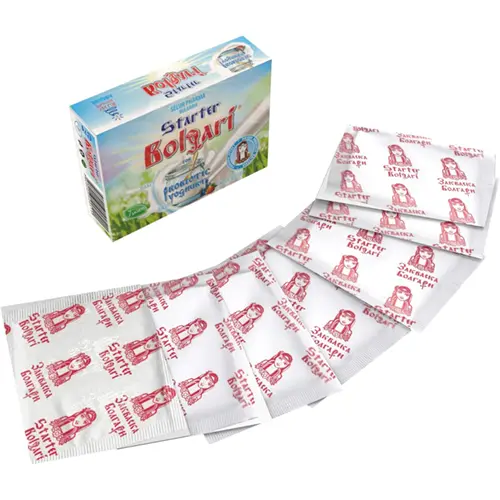
Lactograft Bolgari Yogurt Culture
The starter culture that makes yogurt genuinely probiotic. One sachet, one litre, re-growable for multiple batches.
€6.56
Buy on Amazon.ie →Affiliate link
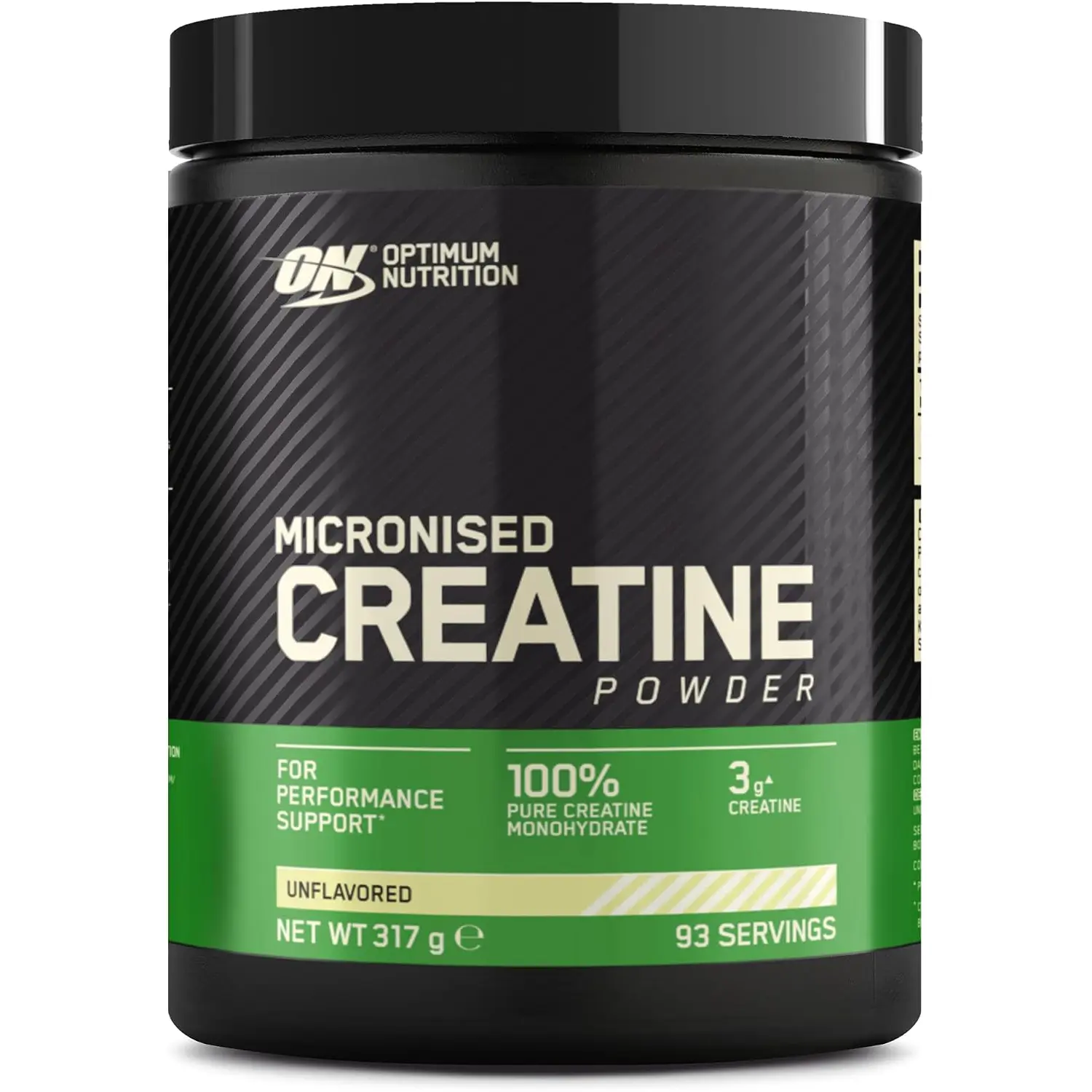
Optimum Nutrition Creatine
Stir your daily creatine dose into your home-made yogurt. Unflavoured, dissolves completely, and the protein supports recovery.
€14.99
Buy on Amazon.ie →Affiliate link
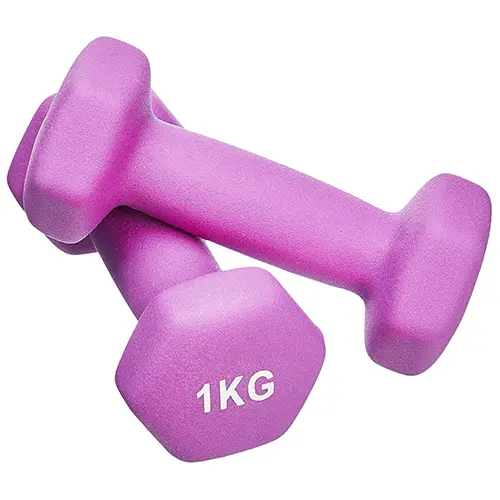
Amazon Basics Neoprene Dumbbells
Resistance training combined with high-protein yogurt is one of the most evidence-backed combinations for maintaining muscle after 50.
From €8.91
Buy on Amazon.ie →Affiliate link